
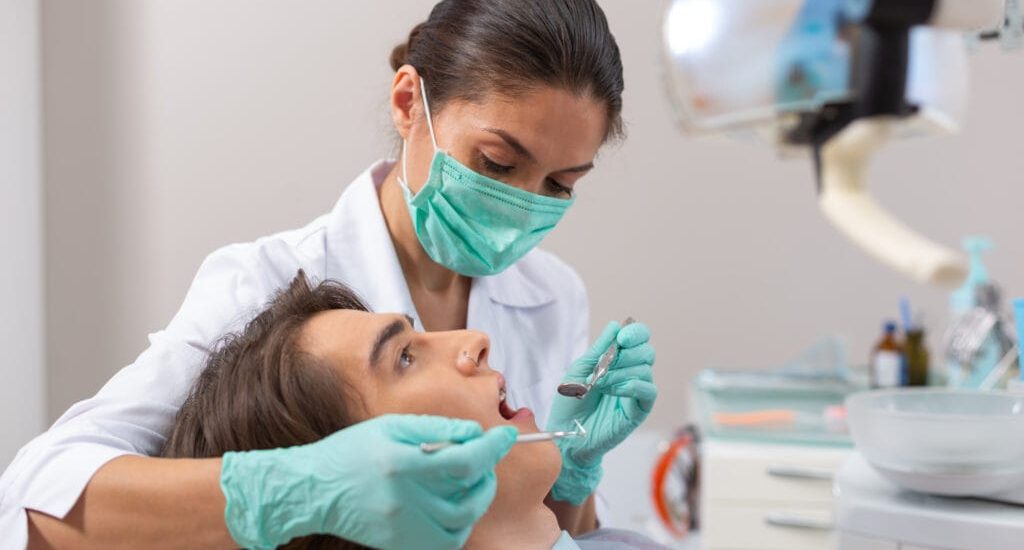
Understanding the Connection Between Alignment and Dental Health
The relationship between tooth alignment and long-term dental health extends far beyond aesthetics. When teeth are misaligned, they create uneven pressure distributions during everyday activities such as chewing, speaking, and even resting. This seemingly minor imbalance can lead to significant consequences over time, including premature wear of tooth surfaces and gradual erosion of precious enamel. A Specialist Orthodontist Battersea & Kensington provides orthodontic intervention to address these issues and preserve dental integrity.
Enamel, the hardest substance in the human body, serves as the first line of defence against decay and damage. However, it is not indestructible. When teeth meet incorrectly due to malocclusion, certain surfaces bear disproportionate force, creating friction points that accelerate wear patterns. This unnatural grinding can strip away enamel far more rapidly than normal use, leaving teeth vulnerable to sensitivity, discolouration, and structural compromise.
How Malocclusion Accelerates Tooth Wear
Malocclusion encompasses various misalignment patterns, each contributing to tooth wear in distinct ways. Overbites, underbites, crossbites, and crowding all create scenarios where teeth contact each other at incorrect angles. Research has shown that tooth wear resulting from malocclusion can be particularly problematic, as it often affects multiple teeth simultaneously and progresses silently until significant damage has occurred.
The Mechanics of Abnormal Wear Patterns
When teeth do not align properly, the forces exerted during mastication become concentrated on specific points rather than distributed evenly across the dental arch. This concentration creates what dental professionals term “wear facets”—flattened areas where enamel has been ground away through repeated abnormal contact. These facets not only compromise the protective enamel layer but also alter the tooth’s natural contours, which can further exacerbate the problem by creating additional points of friction.
Seeking treatment from a Specialist Orthodontist Battersea & Kensington can provide expert assessment of how individual bite patterns may be contributing to accelerated wear. Specialists possess the diagnostic tools and expertise necessary to identify subtle misalignments that might escape notice during routine dental examinations yet contribute significantly to long-term enamel degradation.
The Protective Role of Orthodontic Correction
Orthodontic treatment fundamentally addresses the root cause of premature wear by repositioning teeth into their optimal functional positions. Through carefully controlled forces applied over time, braces, aligners, and other orthodontic appliances guide teeth into alignment where they can meet harmoniously. This correction ensures that biting forces are distributed evenly across all dental surfaces, eliminating the concentrated pressure points that lead to accelerated enamel loss.
The benefits of proper alignment extend beyond simply preventing wear. When teeth occlude correctly, the entire masticatory system functions more efficiently, reducing strain on jaw joints and surrounding musculature. This holistic improvement in oral mechanics contributes to better long-term outcomes, including reduced risk of temporomandibular disorders and improved overall comfort during daily activities.
Maintaining Enamel Health During Treatment
Whilst orthodontic treatment provides long-term protection against wear, patients must remain vigilant about enamel care throughout the treatment process itself. Fixed appliances can create additional challenges for maintaining oral hygiene, and understanding strategies to avoid enamel erosion when wearing braces becomes essential. Proper brushing techniques, fluoride use, and dietary modifications all play crucial roles in preserving enamel integrity during the months or years of active treatment.
Regular monitoring by orthodontic professionals ensures that any emerging concerns are addressed promptly. Adjustments to treatment protocols can be made if signs of enamel stress appear, demonstrating the importance of maintaining scheduled appointments throughout the orthodontic journey.
Long-Term Benefits for Dental Longevity
The investment in orthodontic treatment yields dividends that compound over decades. Teeth that meet correctly experience wear at a natural, manageable rate rather than the accelerated degradation associated with malocclusion. This preservation of enamel means teeth remain stronger and more resistant to decay well into later life. Furthermore, options for tooth enamel repair become less frequently necessary when preventive measures like orthodontic correction are implemented early.
Beyond the physical benefits, properly aligned teeth contribute to confidence and quality of life. The combination of aesthetic improvement and functional enhancement makes orthodontic intervention a comprehensive solution for those seeking to protect their dental health for the long term. By addressing alignment issues proactively, individuals can safeguard their smiles against the cumulative effects of premature wear and enamel erosion, ensuring their teeth remain healthy, functional, and attractive throughout their lives.