Crafting Resonant Dental SEO with Sound Branding Techniques

Crafting Resonant Dental SEO with Sound Branding Techniques

The Symphony of Digital Dental Marketing

In today’s competitive digital landscape, dental practices across the UK are discovering that successful online marketing requires more than simply having a website and hoping patients will find them. The art of combining strategic dental SEO with cohesive branding techniques creates a harmonious approach that resonates with potential patients whilst building trust and recognition in local communities.

Modern dental practices understand that their digital presence must sing in tune with their physical practice values. When branding elements align seamlessly with optimisation strategies, the result is a comprehensive online presence that not only attracts new patients but also reinforces the practice’s professional reputation and core values.

Understanding the Fundamentals of Dental Practice Branding

Sound branding for dental practices extends far beyond selecting attractive colours and designing appealing logos. It encompasses the entire patient experience, from the first interaction with search results through to post-treatment follow-up communications. This holistic approach ensures that every touchpoint reinforces the practice’s identity and values.

Contemporary SEO strategies must work in harmony with branding efforts to create a unified message that speaks directly to the target audience’s needs and concerns. When practices develop their brand voice, they create a foundation upon which all digital marketing efforts can build, ensuring consistency across all platforms and communications.

Building Brand Recognition Through Strategic Content

Developing Your Practice’s Unique Voice

Each dental practice possesses distinct characteristics that set it apart from competitors. Whether focusing on family-friendly care, advanced cosmetic procedures, or specialised treatments, the practice’s unique positioning should inform every aspect of its digital presence. This distinctive voice becomes the thread that weaves through all content, from website copy to social media posts.

Successful practices recognise that their brand voice should reflect both professional competence and approachable warmth. Patients seek dental care providers who demonstrate clinical knowledge whilst maintaining the personal touch that makes dental visits more comfortable and reassuring.

Content That Resonates With Local Communities

Local relevance plays a crucial role in both branding and search optimisation for dental practices. Content that addresses specific community needs, local health initiatives, or regional concerns demonstrates the practice’s commitment to its neighbourhood whilst improving local search visibility.

Practices that understand their local demographics can craft content that speaks directly to their community’s unique characteristics. This might include addressing common concerns among different age groups, discussing seasonal oral health considerations, or highlighting the practice’s involvement in local events and charitable initiatives.

Technical Optimisation Through Brand-Consistent Implementation

Harmonising Visual Elements with Search Performance

The technical aspects of website optimisation need not compromise brand aesthetics. Modern web design allows practices to maintain their visual identity whilst ensuring fast loading times, mobile responsiveness, and user-friendly navigation. These technical elements work together to support both search engine rankings and positive user experiences.

Successful dental websites demonstrate that professional design and technical performance can coexist beautifully. When specialised dental marketing strategies are implemented thoughtfully, they enhance rather than detract from the overall brand experience.

Consistency Across All Digital Touchpoints

Brand consistency extends beyond the primary website to encompass all digital interactions. Social media profiles, online directory listings, and review platform responses should all reflect the same brand voice and visual elements. This consistency reinforces brand recognition and builds trust with potential patients across multiple platforms.

Practices that maintain consistent messaging across all channels create a cohesive brand experience that patients can recognise and trust. This recognition becomes particularly valuable when patients are researching dental care options and comparing different practices in their area.

Measuring Success and Adapting Strategies

The integration of branding and optimisation strategies requires ongoing monitoring and refinement. Successful practices regularly assess both their search performance and brand recognition metrics to ensure their efforts are producing the desired results. This might include tracking website engagement, monitoring online reviews, and measuring local search visibility.

By implementing proven optimisation strategies for dental practices alongside consistent branding efforts, practices can build sustainable growth that attracts new patients whilst retaining existing ones through enhanced trust and recognition.

Creating Lasting Digital Success

The marriage of strategic search optimisation with thoughtful branding creates a powerful foundation for dental practice growth. When these elements work in harmony, they produce a digital presence that not only attracts new patients but also builds lasting relationships within the community. Practices that embrace this integrated approach position themselves for sustained success in an increasingly competitive digital marketplace, creating comprehensive digital strategies that serve both immediate marketing goals and long-term brand development objectives.

Embracing Emotional Dentistry: Transforming Patient Experiences

Embracing Emotional Dentistry: Transforming Patient Experiences

Understanding the Human Side of Dental Care

The dental profession has undergone a remarkable transformation in recent years, shifting from a purely clinical approach to one that recognises the profound emotional aspects of oral healthcare. This evolution represents more than just a change in methodology; it signifies a fundamental understanding that successful dental treatment extends far beyond technical expertise to encompass the emotional wellbeing of patients. A dentist St Albans is therefore well-placed to provide holistic care.

Emotional dentistry acknowledges that visiting a dental practice often triggers deep-seated anxieties and fears that can significantly impact treatment outcomes. By addressing these psychological elements, dental professionals create an environment where patients feel genuinely understood and supported throughout their journey towards optimal oral health.

The Science Behind Patient Anxiety

Research consistently demonstrates that dental anxiety affects a substantial portion of the population, with studies indicating that up to 75% of individuals experience some level of apprehension when visiting dental practices. This anxiety stems from various sources, including past traumatic experiences, fear of pain, loss of control, and concerns about judgement regarding oral hygiene habits.

The physiological response to dental anxiety can manifest in numerous ways, from elevated heart rate and sweating to complete avoidance of necessary treatment. Understanding these responses allows dental professionals to implement targeted strategies that address both the emotional and physical aspects of patient care.

Implementing Emotional Intelligence in Practice

Creating Calming Environments

Modern dental practices increasingly recognise the importance of emotional design in creating therapeutic environments that promote relaxation and comfort. This approach encompasses everything from carefully selected colour schemes and lighting to the integration of natural elements and comfortable furnishings that help patients feel at ease.

The waiting area serves as the first point of contact, setting the tone for the entire experience. Thoughtfully designed spaces incorporate elements such as soft textures, calming artwork, and ambient sounds that work together to reduce stress levels before treatment even begins.

Communication Strategies

Effective communication forms the cornerstone of emotional dentistry, requiring practitioners to develop enhanced listening skills and empathetic responses. This involves explaining procedures in accessible language, acknowledging patient concerns without dismissing them, and providing reassurance throughout the treatment process.

When seeking a dentist, patients can find practices that prioritise these communication principles, ensuring that patients feel heard and respected during every interaction.

Building Trust Through Transparency

Transparency plays a crucial role in establishing trust between dental professionals and their patients. This involves clearly explaining treatment options, discussing potential outcomes, and providing honest assessments of oral health conditions. When patients understand what to expect, they feel more confident and less anxious about their care.

Many practices now utilise visual aids and digital technology to help patients better comprehend their treatment plans. These tools transform abstract concepts into tangible understanding, empowering patients to make informed decisions about their oral health journey.

The Role of Mindfulness in Dental Practice

The integration of mindfulness techniques has revolutionised how dental professionals approach patient care. Mindful dentistry practices focus on creating present-moment awareness that helps both practitioners and patients remain grounded during treatment sessions.

These techniques include guided breathing exercises, progressive muscle relaxation, and meditation practices that can be implemented before and during procedures. Such approaches have demonstrated remarkable success in reducing anxiety levels and improving overall treatment experiences.

Training and Development for Emotional Competency

The successful implementation of emotional dentistry requires comprehensive training programmes that develop practitioners’ emotional intelligence skills. Understanding emotional intelligence in dental settings enables professionals to recognise and respond appropriately to patient emotions whilst maintaining their own emotional equilibrium.

These programmes typically cover topics such as active listening, non-verbal communication, stress management, and cultural sensitivity. By investing in such training, dental practices demonstrate their commitment to providing holistic care that addresses both physical and emotional needs.

Measuring Success in Emotional Dentistry

The effectiveness of emotional dentistry approaches can be measured through various metrics, including patient satisfaction scores, treatment completion rates, and referral patterns. Practices that successfully implement these strategies often report increased patient loyalty and reduced appointment cancellations.

Regular feedback collection allows practices to continuously refine their approaches, ensuring that emotional support strategies remain effective and relevant to patient needs. This commitment to improvement demonstrates the genuine dedication to patient wellbeing that characterises modern dental care.

The Future of Patient-Centred Dental Care

Emotional dentistry represents a fundamental shift towards more compassionate, patient-centred care that recognises the interconnection between emotional wellbeing and oral health outcomes. As this approach continues to evolve, patients can expect increasingly personalised experiences that address their unique emotional needs whilst delivering exceptional clinical results.

Biting into the Future: How Dental Implants are Redefining Oral Health

Biting into the Future: How Dental Implants are Redefining Oral Health

The Revolutionary Landscape of Modern Dentistry

The world of dentistry has undergone a remarkable transformation over the past few decades, with dental implants Northern Ireland emerging as one of the most groundbreaking innovations in oral healthcare. What once seemed like science fiction has become everyday reality, offering patients a permanent solution to tooth loss that closely mimics the function and appearance of natural teeth. This technological revolution has fundamentally changed how dental professionals approach tooth replacement, moving away from traditional dentures and bridges towards more sophisticated, long-lasting solutions.

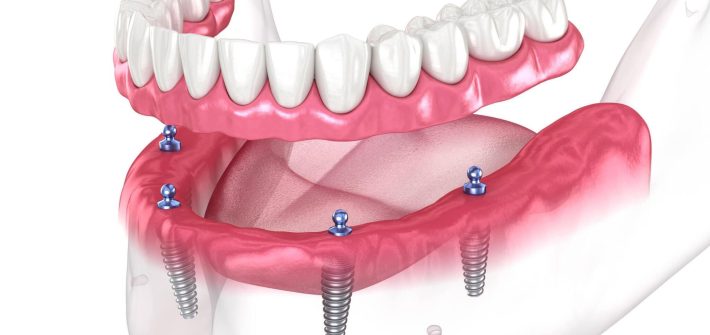
Modern dental implants represent a convergence of advanced materials science, surgical precision, and aesthetic artistry. These titanium marvels integrate seamlessly with the jawbone through a process called osseointegration, creating a stable foundation that can last a lifetime with proper care. The transformation extends beyond mere functionality, as contemporary implant systems deliver exceptional cosmetic results that are virtually indistinguishable from natural teeth.

Cutting-Edge Technologies Shaping Implant Dentistry

The latest technological advances have revolutionised every aspect of implant placement and restoration. Digital imaging and 3D printing technologies now allow dental professionals to plan procedures with unprecedented precision, whilst computer-guided surgery ensures optimal implant positioning. These innovations have significantly reduced treatment times and improved success rates, making implants more accessible to a broader range of patients.

Contemporary implant materials have also evolved considerably, with surface treatments and coatings designed to accelerate healing and enhance integration with bone tissue. Advanced implant technology developments continue to push the boundaries of what’s possible, incorporating smart materials that respond to the body’s natural healing processes and promote faster recovery times.

Geographic Excellence in Implant Care

Different regions have developed particular expertise in implant dentistry, with some areas becoming recognised centres of excellence. Patients seeking dental implants can access world-class treatment facilities that combine traditional dental expertise with cutting-edge technology, reflecting the global nature of advances in this field.

Personalised Treatment Approaches

The evolution of implant dentistry has moved towards increasingly personalised treatment protocols. Dental professionals now utilise advanced diagnostic tools to assess bone density, gum health, and individual anatomical variations before developing bespoke treatment plans. This individualised approach ensures optimal outcomes whilst minimising potential complications, making implant therapy suitable for patients who might previously have been considered unsuitable candidates.

Contemporary implant systems offer various sizes, shapes, and surface textures to accommodate different clinical situations. Mini implants provide solutions for patients with limited bone volume, whilst immediate loading protocols allow some patients to receive temporary crowns on the same day as implant placement, dramatically reducing treatment timeframes.

Transforming Quality of Life

The impact of modern dental implants extends far beyond simple tooth replacement. Patients report significant improvements in confidence, social interactions, and overall quality of life following implant treatment. Unlike traditional dentures, implants eliminate concerns about slippage or dietary restrictions, allowing individuals to enjoy their favourite foods without hesitation.

The psychological benefits are equally profound, as implants restore not just function but also self-esteem. Many patients describe feeling years younger after completing their implant treatment, highlighting the connection between oral health and overall wellbeing. Future developments in dental implant technology promise even greater improvements in patient experience and outcomes.

Long-term Health Benefits

Beyond immediate functional improvements, dental implants contribute to long-term oral health by preserving jawbone structure and preventing the facial collapse often associated with tooth loss. This bone preservation effect helps maintain facial support and prevents the premature ageing that can occur when multiple teeth are missing.

Research continues to reveal additional health benefits, with studies suggesting that proper oral function through implant therapy may contribute to better nutrition and digestion. Latest innovations in implant technology are focusing on further enhancing these health benefits through improved materials and techniques.

Looking Towards Tomorrow

The future of dental implants appears increasingly bright, with ongoing research into regenerative therapies, smart implant materials, and minimally invasive techniques. As technology continues to advance, dental implants will undoubtedly become even more sophisticated, accessible, and successful, cementing their position as the gold standard for tooth replacement and continuing to redefine what’s possible in modern oral healthcare.