
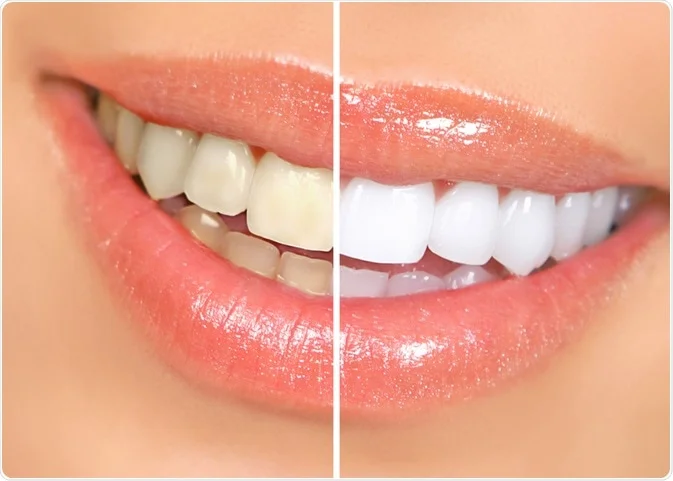
Understanding the Limitations of Traditional Whitening
For many individuals seeking a brighter smile, professional teeth whitening represents the first port of call. However, not all tooth discolouration responds equally to bleaching treatments, leaving some patients disappointed with the results. Whilst surface stains from coffee, tea, and red wine typically respond well to whitening procedures, deeper intrinsic discolouration often proves resistant to even the most advanced bleaching techniques.
Intrinsic stains originate from within the tooth structure itself, rather than merely sitting on the enamel surface. These stubborn discolourations can result from various factors, including childhood exposure to certain medications, developmental conditions, trauma to the teeth, or excessive fluoride consumption during tooth formation. Understanding the various causes of tooth staining helps patients recognise why their whitening treatments may have fallen short of expectations.
When Whitening Falls Short
Tetracycline Staining
One of the most challenging types of discolouration to address through conventional whitening involves tetracycline staining. This antibiotic, when administered during childhood or in utero, can cause distinctive grey, brown, or blue banding patterns within the tooth structure. These deep-set stains prove remarkably resistant to bleaching agents, often requiring alternative cosmetic solutions to achieve satisfactory aesthetic results.
Fluorosis and Developmental Defects
Dental fluorosis occurs when excessive fluoride is consumed during the years of tooth development, resulting in white spots, streaks, or brown discolouration that permeates the enamel. Similarly, developmental defects such as amelogenesis imperfecta or dentinogenesis imperfecta create structural abnormalities that manifest as permanent discolouration. These conditions exist within the tooth’s architecture, placing them beyond the reach of surface-level whitening treatments.
Trauma-Related Discolouration
Physical trauma to teeth can cause internal bleeding or damage to the pulp tissue, resulting in a greyish or brownish hue that develops over time. This type of discolouration stems from changes within the tooth’s internal structure, making it impervious to external bleaching procedures. Veneers Liverpool practitioners frequently encounter patients seeking solutions for trauma-related discolouration that whitening cannot remedy.
How Veneers Provide a Comprehensive Solution
Porcelain veneers offer a transformative approach to addressing stubborn tooth discolouration that resists conventional whitening methods. These thin shells of medical-grade ceramic are custom-crafted to bond permanently to the front surface of teeth, effectively concealing intrinsic stains whilst simultaneously enhancing the overall appearance of one’s smile. The beauty of veneers lies in their ability to mask even the most severe discolouration beneath a flawless, natural-looking exterior.
The Science Behind Veneer Success
Unlike whitening treatments that attempt to chemically alter the colour of existing tooth structure, veneers simply cover the discoloured surface with a pristine new facade. This approach proves particularly effective for patients whose teeth have resisted multiple whitening attempts. The porcelain material used in quality veneers possesses optical properties that closely mimic natural tooth enamel, allowing light to pass through in a manner that creates an authentic, luminous appearance rather than an artificial, opaque finish.
Customisation and Colour Matching
Modern dental laboratories can fabricate veneers in virtually any shade, allowing practitioners to match surrounding natural teeth perfectly or create an entirely new, uniformly bright smile. For those comparing the effectiveness of whitening versus veneers, the level of control over the final aesthetic outcome represents a significant advantage of the veneer approach. Patients can preview their new smile design and make adjustments before the final veneers are permanently bonded.
Additional Benefits Beyond Colour Correction
Whilst addressing discolouration remains the primary motivation for many patients seeking veneers Liverpool treatments, these restorations simultaneously correct other aesthetic concerns. Veneers can reshape teeth, close gaps, repair minor chips, and even create the illusion of straighter teeth without orthodontic intervention. When patients explore whether veneers or teeth whitening suit their needs, they often discover that veneers provide comprehensive smile enhancement beyond simple colour improvement.
Achieving Lasting Results
For individuals who have exhausted whitening options without achieving their desired results, porcelain veneers represent a reliable, long-lasting solution to intrinsic tooth discolouration. With proper care and maintenance, quality veneers can maintain their pristine appearance for fifteen years or longer, providing patients with enduring confidence in their smile. The investment in veneers ultimately offers freedom from the frustration of stubborn stains that simply refuse to respond to conventional whitening methods.